
△Click on the top right corner to try Wukong CRM for free
So, you know, when people talk about CRM software, they usually throw around terms like “modules” or “functional components,” and honestly, it can get a little confusing. I mean, I’ve been there—trying to figure out what each part actually does and how it helps a business run smoother. So today, let’s just have a real conversation about the functional modules in CRM software, like we’re sitting down over coffee and breaking it all down in plain English—well, plain American English, actually.
First off, let’s start with the big picture. CRM stands for Customer Relationship Management, right? And at its core, it’s all about helping businesses manage their interactions with current and potential customers. But here’s the thing—it doesn’t just do that in one way. It’s made up of several functional modules, each designed to handle a specific part of the customer journey. Think of it like a toolbox. You wouldn’t use a hammer to tighten a screw, right? Same idea. Each module has its own job.
Free use of CRM system: Free CRM
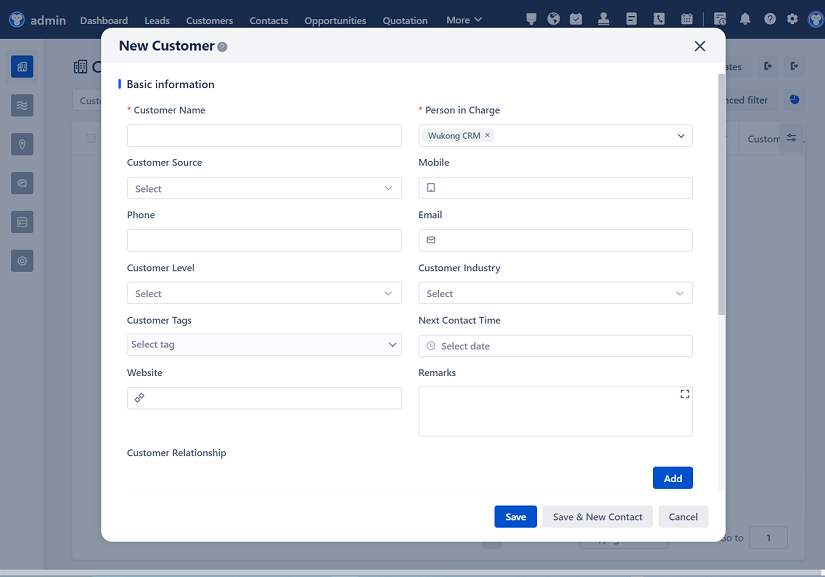
Let’s begin with the most basic one: the Contact Management Module. Honestly, this is where most people start when they think about CRM. It’s basically your digital rolodex on steroids. You can store names, phone numbers, emails, addresses, and even notes about past conversations. But it’s not just a static list. You can tag contacts, organize them into groups, and even track when you last reached out. I remember when I first used this feature—it was a game-changer. No more digging through old emails or sticky notes trying to remember who said what.
Then there’s the Sales Management Module. Now, this one’s a bit more advanced, but super useful. It helps sales teams track leads, manage pipelines, and forecast revenue. Imagine you’re following up with five potential clients. Without this module, you might forget who’s in which stage of the buying process. But with it, you can see at a glance: “Okay, John is in negotiation, Sarah needs a demo, and Mike hasn’t responded yet.” It’s like having a personal assistant for your sales process. Plus, it often includes automation features—like sending follow-up emails or reminders—so you don’t have to micromanage every little thing.
And speaking of automation, that’s where the Marketing Automation Module comes in. This one’s kind of like the behind-the-scenes engine that keeps your marketing running smoothly. You can set up email campaigns, segment your audience, schedule social media posts, and even track how many people opened your emails or clicked on links. I’ll tell you, when I first set up an automated drip campaign, I was amazed at how many leads started converting without me lifting a finger. It’s not magic, but it sure feels like it sometimes.
Now, let’s talk about the Customer Service Module. This is where support teams shine. It helps manage customer inquiries, track support tickets, and even offer self-service options like knowledge bases or chatbots. I’ve used CRMs where a customer submits a ticket, and within seconds, they get an automated response saying, “We’ve got your message, and someone will get back to you soon.” That alone makes customers feel heard, which is half the battle. And for the support team, it means nothing slips through the cracks. Every issue gets logged, assigned, and followed up on.
Another cool module is the Analytics and Reporting Module. Okay, I know “analytics” sounds a little dry, but hear me out. This part of the CRM gives you real insights into what’s working and what’s not. You can generate reports on sales performance, customer satisfaction, marketing campaign success—you name it. For example, last quarter, I pulled a report that showed our email open rates were dropping. That clue helped us tweak our subject lines, and boom—open rates went back up. So yeah, it’s not just numbers on a screen; it’s actionable intelligence.
Then there’s the Collaboration Module. This one’s all about teamwork. It lets team members share notes, assign tasks, and communicate within the CRM itself. No more switching between Slack, email, and spreadsheets. Everything’s in one place. I remember a time when my colleague updated a client’s status, and I saw it instantly. No need to ping her or wait for a reply. It just made collaboration so much smoother.
Oh, and we can’t forget the Mobile CRM Module. These days, everyone’s on the go, right? So having a mobile-friendly version of your CRM is pretty much essential. Whether you’re at a client meeting, stuck in traffic, or working from a coffee shop, you can still access your contacts, update records, or check your sales pipeline. I’ve personally closed deals from my phone while waiting in line at the grocery store. Sounds crazy, but it happened!
Integration Capabilities are another big deal. Most CRMs don’t work in isolation. They need to talk to other tools—like your email, calendar, accounting software, or e-commerce platform. So the integration module makes that possible. For instance, I use a CRM that syncs with my Gmail and Google Calendar. When I get an email from a client, it automatically logs it in their contact profile. And if I schedule a meeting, it shows up in both places. It saves so much time and reduces errors.
Now, here’s one that’s becoming more popular: the Social Media Module. This lets you monitor brand mentions, engage with customers on platforms like Twitter or LinkedIn, and even schedule posts. I’ve seen companies use this to catch negative comments early and respond before things escalate. It’s like having a radar for customer sentiment. Plus, it helps build a more personal connection with your audience.
And let’s not overlook the E-commerce Module. If you’re selling online, this one ties your CRM directly to your store. It tracks customer purchases, recommends products based on past behavior, and even handles post-purchase follow-ups. I once had a CRM suggest a product to a customer based on their previous buy—and they ended up purchasing it. That’s the power of data-driven selling.
Security and Permissions is another critical module, though it’s not always visible to end users. It controls who can see or edit what information. For example, your sales team might have full access to customer data, but interns might only see basic contact info. It keeps sensitive data safe and ensures compliance with privacy laws like GDPR. I’ve worked at companies where this was a huge deal—especially when dealing with international clients.

Customization and Workflow Automation is kind of the glue that holds everything together. It lets you tailor the CRM to your specific business needs. You can create custom fields, set up approval processes, or automate repetitive tasks. I once set up a workflow where every new lead automatically got assigned to a sales rep based on their region. No manual work, no mistakes—just smooth, consistent processes.
And finally, there’s the Onboarding and Training Module. Okay, this one’s not in every CRM, but when it’s there, it’s a lifesaver. It helps new users get up to speed quickly with tutorials, guides, and interactive walkthroughs. I remember when I first started using a new CRM—there were so many buttons and menus. But the onboarding module walked me through each step, and within a day, I felt confident using it.

So, putting it all together, each module in a CRM serves a unique purpose, but they all work together to give you a complete picture of your customer relationships. It’s not about having the fanciest software—it’s about using the right tools to build better connections, close more deals, and keep customers happy.

And honestly, the best part? You don’t have to use every module at once. Most CRMs let you start small and add features as you grow. Maybe you begin with contact management and sales tracking, then later add marketing automation or customer service tools. It’s flexible, scalable, and designed to evolve with your business.
Now, I know this all sounds great, but I also get that choosing and implementing a CRM can feel overwhelming. There are so many options out there, and not every module will be right for every business. That’s why it’s important to assess your needs first. Ask yourself: What are our biggest pain points? Are we losing leads? Struggling with follow-ups? Need better reporting? Once you know that, you can pick the modules that actually matter to you.
And don’t forget—training and adoption are key. Even the most powerful CRM won’t help if your team isn’t using it properly. So take the time to train everyone, encourage feedback, and make adjustments as needed. I’ve seen companies fail with CRM not because the software was bad, but because people didn’t know how to use it.
At the end of the day, CRM modules aren’t just tech features—they’re tools to help you understand and serve your customers better. When used right, they can transform the way you do business. So whether you’re a small startup or a growing enterprise, there’s a CRM setup out there that can work for you.
FAQs (Frequently Asked Questions):
Q: Do I need all the CRM modules for my small business?
A: Not at all. Start with the basics—like contact management and sales tracking—and add more modules as your needs grow. You don’t have to use everything at once.
Q: Can CRM modules work together, or do they operate separately?
A: Great question! Most modern CRMs are designed so that modules share data seamlessly. For example, a lead from the marketing module can automatically flow into the sales pipeline.
Q: Is it hard to switch CRM modules if I change my mind later?
A: It depends on the CRM, but many platforms let you enable or disable modules easily. Just make sure to back up your data before making big changes.
Q: How do I know which modules are right for my team?
A: Think about your biggest challenges. If you’re missing follow-ups, try automation. If customer service is slow, look into the support module. Start with what hurts the most.
Q: Can I customize CRM modules to fit my industry?
A: Absolutely. Many CRMs allow you to add custom fields, workflows, and even industry-specific templates. Don’t be afraid to tweak things to fit your business.
Q: Are mobile CRM modules as powerful as the desktop versions?
A: Most of the time, yes. Mobile apps usually have core features like contact access, task updates, and email integration. Some advanced reporting might be limited, though.
Q: What if my team resists using the CRM modules?
A: That’s common. Focus on training, show them how it saves time, and involve them in the setup process. When people see the benefits, they’re more likely to adopt it.
Related links:
Free trial of CRM
Understand CRM software
△Click on the top right corner to try Wukong CRM for free