
△Click on the top right corner to try Wukong CRM for free
So, you’re in the market for a CRM software system, right? I mean, who isn’t these days? Whether you’re running a small startup or managing a growing team in a mid-sized company, keeping track of your customers is kind of a big deal. But here’s the thing—there are so many CRM options out there that it’s easy to feel overwhelmed. Honestly, I’ve been there. I remember scrolling through endless lists, reading reviews, watching demo videos, and still not knowing which one I could actually trust. That’s why I wanted to sit down and talk about this—because at the end of the day, it’s not just about features or price tags. It’s about trust.
Let’s be real—when you’re handing over your customer data, your sales pipeline, maybe even your marketing automation, you’re not just picking software. You’re picking a partner. And like any relationship, trust matters. You don’t want to wake up one morning and find out your CRM provider changed their pricing model overnight or lost your data because of a security flaw. That would be a nightmare, right?
Free use of CRM system: Free CRM
So, how do you figure out which CRM is actually trustworthy? Well, first, let’s talk about what “trustworthy” even means in this context. For me, it’s not just about whether the software works. It’s about reliability, security, customer support, transparency, and long-term stability. I want to know that the company behind the CRM isn’t going to disappear in two years, that my data is safe, and that if something goes wrong, someone will actually answer the phone—or at least reply to my email.

One of the big names that always comes up is Salesforce. I mean, you can’t talk about CRM without mentioning them. They’ve been around forever, and honestly, they kind of set the standard. But does that make them trustworthy? In a lot of ways, yes. They’ve got a solid reputation, massive infrastructure, and they invest heavily in security. I’ve heard from people who’ve used Salesforce for years, and they rarely complain about downtime or data loss. That’s reassuring.
But—and this is a big but—Salesforce can be expensive. Like, really expensive. And for a small business, that kind of investment can feel risky. What if you grow out of it? What if you realize halfway through that it’s way more complicated than you needed? I’ve seen teams spend months just trying to figure out how to customize Salesforce properly. So, while it’s technically trustworthy, it might not be the right fit for everyone.
Then there’s HubSpot. Now, I really like HubSpot. It’s user-friendly, it’s got a great free version, and their customer service? Super responsive. I once had a question at 10 PM on a Sunday, and guess what? Someone answered me in under 15 minutes. That kind of support builds trust, you know? Plus, they’re transparent about their pricing. No hidden fees, no surprise charges. That’s huge.
But here’s the thing—HubSpot is great for marketing and sales alignment, but if you’re looking for deep customization or complex workflows, it might fall short. I’ve talked to a few users who said they outgrew HubSpot after a couple of years. So, while it’s trustworthy in terms of ethics and support, it might not scale the way some businesses need.
Another option that keeps popping up is Zoho CRM. I’ll admit, I was skeptical at first. I mean, Zoho has so many products—CRM, email, invoicing, project management—it almost feels like they’re trying to do too much. But then I started talking to actual users, and a lot of them swear by it. The pricing is super affordable, and they’ve been around for a long time. Plus, they take data privacy seriously. They even have data centers in multiple regions so you can keep your data local if you want.

Still, I’ve heard some complaints about the interface feeling a little outdated. And while their support is okay, it’s not always as fast as HubSpot’s. So, is Zoho trustworthy? I’d say yes, but with a few caveats. If you’re a small to mid-sized business on a budget, it’s a solid choice. But if you need cutting-edge design or AI-powered insights, you might want to look elsewhere.
Then there’s Microsoft Dynamics 365. Now, if your company already uses Microsoft products—like Outlook, Teams, or Office 365—this one makes a lot of sense. Integration is seamless, and since it’s backed by Microsoft, you know it’s not going anywhere. That alone gives me peace of mind. I mean, Microsoft isn’t exactly going out of business tomorrow.
But—and I can’t stress this enough—Dynamics can be a beast to set up. I’ve heard horror stories about implementation taking months and requiring expensive consultants. And while the security is top-notch, the learning curve is steep. So, is it trustworthy? Absolutely. But only if you’re ready to invest time and money into making it work.
What about newer players like Freshsales or Pipedrive? I’ve been keeping an eye on them. Freshsales, for example, has this clean interface and smart automation that feels intuitive. And Pipedrive? It’s built for sales teams who want simplicity. No fluff, just a clear pipeline view. Both companies seem to care about their users, and they’re pretty transparent about updates and changes.
But here’s my concern—how long will they last? The CRM market is competitive, and even great products can disappear if funding runs out or they get acquired and changed beyond recognition. I remember loving a CRM called Insightly a few years ago, and then—poof—suddenly the interface changed, features disappeared, and support got worse. That kind of experience makes you cautious.
So, back to the original question: which CRM is more trustworthy? Honestly, I don’t think there’s a one-size-fits-all answer. It depends on your business, your priorities, and what you value most. For me, trust comes from a mix of factors—security, support, transparency, and track record.

Let me break it down. If you want the most established, enterprise-level option with deep features and global support, Salesforce is probably your safest bet. But be ready to pay for it—both in money and time. If you’re a growing business that values ease of use and great customer service, HubSpot is hard to beat. And if you’re budget-conscious and want solid functionality without overspending, Zoho is worth serious consideration.
Microsoft Dynamics is ideal if you’re already in the Microsoft ecosystem and need deep integration. And if you’re a sales-focused team that wants simplicity and speed, Pipedrive or Freshsales could be perfect—just keep an eye on their long-term stability.
Another thing I’ve learned? Don’t just rely on marketing materials. Talk to real users. Join forums, read independent reviews, and if possible, try before you buy. Most CRMs offer free trials or freemium versions. Use them. See how the software feels. Does it make your life easier, or does it add more steps to your day?
And don’t forget about data ownership. This is huge. Make sure you understand who owns your data and how easy it is to export it. A trustworthy CRM should never lock you in. You should be able to leave whenever you want, with all your data intact. I’ve heard too many stories of companies switching CRMs only to realize they couldn’t get their customer history out. That’s a red flag.
Security is another big one. Ask about encryption, compliance (like GDPR or HIPAA), and where your data is stored. A trustworthy CRM will be upfront about all of this. They’ll have clear documentation and probably even third-party audits to prove their claims.
Customer support matters more than you think. When something breaks—and it will—you don’t want to be stuck waiting days for a reply. Look for companies that offer multiple support channels: phone, email, chat, maybe even a community forum. And check response times. I once had a HubSpot rep call me back within an hour when I had a billing issue. That kind of service builds loyalty.
Updates and roadmap transparency are important too. A trustworthy CRM will keep you informed about new features, bug fixes, and upcoming changes. They won’t surprise you with a major UI overhaul overnight. They’ll give you time to adapt.
And finally, think about the company’s values. Do they seem ethical? Do they respect user privacy? Have they been involved in any data scandals? A quick Google search can tell you a lot. Trust isn’t just about technology—it’s about the people behind it.
So, after all this, where does that leave us? I think the most trustworthy CRM isn’t necessarily the biggest or the fanciest. It’s the one that aligns with your needs, treats you fairly, and stands behind its promises. It’s the one that makes you feel confident, not anxious.
For me, right now, I’d probably go with HubSpot if I were starting fresh. It strikes a good balance between power and simplicity, and their customer-first approach really shows. But if I were in a large enterprise with complex workflows, I’d lean toward Salesforce or Microsoft Dynamics. And if I were watching my budget closely, Zoho would definitely be on my shortlist.
At the end of the day, trust is earned, not given. So take your time. Do your research. Talk to other users. And don’t rush into a decision just because a CRM is popular. Your customer data is too important for that.
FAQs (Frequently Asked Questions):
Q: Can I trust cloud-based CRM systems with my data?
A: Honestly, most reputable cloud-based CRMs are actually more secure than storing data on your own servers. They invest heavily in encryption, backups, and cybersecurity. But always check their security certifications and data policies before signing up.
Q: What should I do if my CRM provider suddenly increases prices?
A: That’s a valid concern. Look for companies with transparent pricing and a history of fair billing. Some offer long-term contracts to lock in rates. And always keep your data backed up—you should be able to switch if needed.

Q: How do I know if a CRM will still be around in five years?
A: Great question. Check the company’s funding, customer base, and market presence. Established players like Salesforce, HubSpot, and Microsoft are safer bets. For newer tools, read user reviews and see how often they release updates.
Q: Is open-source CRM more trustworthy?
A: Not necessarily. Open-source means you can see the code, which is great for transparency, but it also means you might need technical skills to maintain it. Support can be spotty unless you pay for a hosted version.
Q: Should I trust a CRM that offers a free plan?
A: Sure, as long as you understand the limits. Free plans are great for testing, but they often come with fewer features and less support. Just make sure your data won’t be held hostage if you decide to upgrade or leave.
Q: What’s the biggest red flag when choosing a CRM?
A: Lack of transparency. If a company won’t tell you where your data is stored, how they handle security, or what their pricing includes, that’s a warning sign. Trustworthy CRMs are open and clear about everything.
Related links:
Free trial of CRM
Understand CRM software
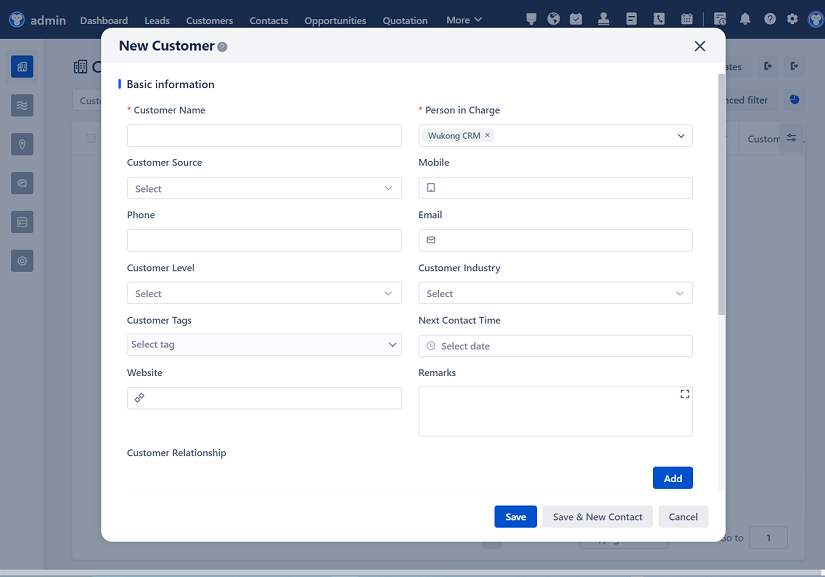
△Click on the top right corner to try Wukong CRM for free