
△Click on the top right corner to try Wukong CRM for free
You know, I’ve been thinking a lot lately about how teams actually get things done. It’s not just about having smart people or fancy tools—it’s about how everyone communicates, shares information, and works together toward the same goals. And honestly, one of the biggest game-changers I’ve seen in recent years is the shift from traditional CRM systems to something much more collaborative.
I remember when CRM used to be this rigid thing—basically just a digital Rolodex where salespeople kept track of leads and closed deals. It was kind of siloed, you know? Marketing didn’t really talk to sales, customer service had their own system, and leadership was always asking, “Wait, why don’t we have a clear picture of what’s going on?” That disconnect drove me crazy.
But now, with collaborative CRM systems, everything feels different. It’s like giving your whole team a shared brain. Everyone—from sales reps to support agents to project managers—can see the same customer data in real time. No more guessing what someone else said in an email last week or wondering if a client already complained about shipping delays. It’s all right there.
And let me tell you, that kind of transparency changes how people work. When I first started using a collaborative CRM at my company, I noticed something small but powerful: people started taking ownership. Like, instead of saying, “That’s not my job,” they’d jump in because they could see the full context. A support agent might notice a recurring issue and tag the product team. A salesperson could see that marketing ran a campaign last month and reference it in their next call. It just made everything smoother.
What really surprised me was how much faster decisions got made. Before, we’d have these long meetings trying to piece together what each department knew. Now, we can pull up the CRM, look at the timeline of interactions, and say, “Okay, here’s what happened, here’s what the customer needs, and here’s who should handle it.” No drama, no finger-pointing—just action.
Another thing I love? The way collaboration tools are baked right into the system. You can comment directly on a customer record, tag teammates, assign tasks, and even chat without leaving the platform. It’s like Slack and Salesforce had a baby, and it’s amazing. I don’t have to switch between five different apps anymore. Everything lives in one place.
And speaking of tasks—automated workflows have been a total lifesaver. I used to spend so much time chasing people down: “Did you follow up with that lead?” “Has the contract been sent?” Now, the system reminds people automatically. If a deal hits a certain stage, it triggers an email to legal. If a ticket’s been open for 24 hours, it nudges the assigned agent. It’s not about micromanaging; it’s about helping everyone stay on track without extra effort.
One of the coolest features, though, is the shared calendar and activity tracking. You can see who’s meeting with which clients, what calls are scheduled, and even block off time for internal syncs. It helps avoid double-booking and makes planning way easier. Plus, when someone goes on vacation, you can quickly reassign tasks based on who’s available and familiar with the account.
I also appreciate how modern CRMs support mobile access. I’m not always at my desk—I take calls from coffee shops, airports, even my backyard. Being able to pull up a customer’s history on my phone and update notes on the go has made me way more responsive. And my team feels the same. We’re not tied to our desks anymore.
Now, I’ll admit—switching to a collaborative CRM wasn’t seamless at first. There was some resistance. Some folks were used to their spreadsheets or personal notebooks. Others worried about privacy or being “watched.” But once we showed them how it actually made their lives easier—not harder—they came around. Training helped a lot, and we made sure to involve the team in choosing the system so they felt ownership.
We also set clear guidelines on what to log and how to use tags and statuses. At first, people would either underuse the system (“I’ll just remember”) or overdo it (“Here’s a 500-word novel about a 2-minute call”). But over time, we found a rhythm. We created templates for common scenarios, which saved tons of time and kept things consistent.
One unexpected benefit? Better onboarding. New hires used to take months to get up to speed. Now, they can dive into the CRM on day one and see real examples of how we interact with customers, handle objections, and close deals. It’s like having a living playbook.
And let’s talk about customer experience—because that’s really what this is all about. When every team member knows the full story, the customer doesn’t have to repeat themselves. Imagine calling support and not having to explain your issue three times. That’s the kind of experience people remember. It builds trust.
I’ve seen customers comment on how “in tune” our team is. They say things like, “Wow, you guys actually listen!” or “It’s nice not having to start from scratch every time.” That feedback means everything. It’s not just efficiency—it’s empathy in action.
Analytics have also gotten way more insightful. Instead of just seeing sales numbers, we can track collaboration patterns. Who’s communicating with whom? Which teams resolve issues fastest? Are there bottlenecks in handoffs between departments? The data helps us improve not just performance, but teamwork itself.
We even run monthly reviews where we look at CRM insights together. It’s not about blaming anyone—it’s about learning. For example, we noticed that deals stalled when marketing passed leads to sales without context. So we added a mandatory field for campaign details. Small change, big impact.
Security was a concern at first, especially with so much shared access. But good collaborative CRMs have solid permission settings. We can control who sees what—like keeping financial details restricted to managers or letting interns view only basic contact info. It keeps things safe without killing collaboration.
Integration with other tools has been huge too. Our CRM connects with email, calendar, cloud storage, even our billing software. So when a customer upgrades, the invoice gets generated automatically, and support gets notified. It’s like a well-oiled machine.
And the best part? It scales. Whether we’re a team of 10 or 100, the system grows with us. New departments can plug in, and processes can be standardized across regions. I’ve worked at companies where every office did things differently—it was chaos. Now, we have one source of truth.
Honestly, I think the biggest shift isn’t technological—it’s cultural. Using a collaborative CRM encourages openness, accountability, and teamwork. People start thinking beyond their job title. They see themselves as part of a bigger mission: serving the customer better, together.
Of course, it’s not magic. You still need strong leadership, clear communication, and a willingness to adapt. The tool won’t fix broken processes or toxic culture. But if you’ve got the foundation, a collaborative CRM can take you to the next level.

Looking back, I wish we’d made the switch sooner. All those missed opportunities, duplicated efforts, frustrated customers—it could’ve been avoided. But hey, better late than never.
If you’re on the fence about adopting a collaborative CRM, here’s my advice: start small. Pick one team or process to pilot it. Get feedback. Tweak it. Show results. Once people see how much easier their jobs become, they’ll wonder how they ever lived without it.
And don’t underestimate the human side. Celebrate wins. Recognize team members who use the system well. Make it part of your daily rhythm, not just another corporate mandate.
At the end of the day, business is about relationships—both with customers and with each other. A collaborative CRM doesn’t replace human connection; it enhances it. It gives us the space to focus on what really matters: listening, solving problems, and building trust.

So yeah, I’m a believer. Not because it’s trendy, but because I’ve seen it work. In my team, in my meetings, in the smiles of customers who finally feel heard. That’s the kind of efficiency worth striving for.
FAQ (Frequently Asked Questions)
Wait, isn’t a collaborative CRM just for sales teams?
Nope! While sales definitely benefits, collaborative CRMs are designed for cross-functional use. Marketing, customer service, product, and even HR can use them to align around customer needs.
How do you prevent information overload in a shared system?
Great question. That’s why filters, tags, and role-based views are important. You don’t have to see everything—just what’s relevant to your role and responsibilities.
What if someone enters wrong information by mistake?
Most systems have audit trails, so you can see who changed what and when. Plus, team culture matters—when people know others rely on the data, they’re more careful.
Can small businesses afford these systems?
Absolutely. Many collaborative CRMs offer scalable pricing, and some even have free tiers for startups. The ROI often pays for itself in saved time and improved retention.

Do you still need meetings if everything’s in the CRM?
Definitely. The CRM supports collaboration, but human conversations are still essential for strategy, creativity, and relationship-building. Think of it as a tool to make meetings more productive, not replace them.
Is training really necessary?
Yes. Even intuitive systems take some getting used to. Short onboarding sessions and ongoing support help ensure everyone uses the CRM effectively.
What’s the biggest mistake companies make when adopting a collaborative CRM?
Forcing it as a top-down mandate without involving the team. Success comes from buy-in, not compliance. Let users shape how it’s used.
Can it work for remote or hybrid teams?
Actually, it works even better. With everyone scattered, having a central hub for customer info is crucial. It keeps remote workers connected and informed.

How do you measure success with a collaborative CRM?
Look at metrics like response time, deal velocity, customer satisfaction, and internal collaboration rates. But also ask your team: “Does this make your job easier?”
Will AI play a bigger role in collaborative CRM?
Without a doubt. We’re already seeing AI suggest next steps, summarize emails, and predict customer behavior. It’s not replacing humans—it’s helping us collaborate smarter.
Related links:
Free trial of CRM
Understand CRM software
AI CRM Systems
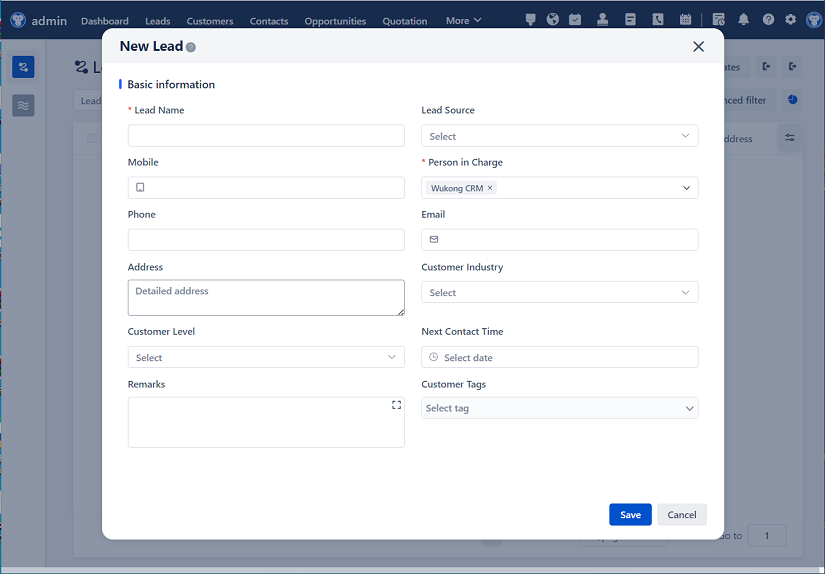
△Click on the top right corner to try Wukong CRM for free