
△Click on the top right corner to try Wukong CRM for free
So, you’ve probably heard the term “CRM specialist” thrown around in meetings or seen it on a job board, right? Honestly, I used to think it was just another techy buzzword—something vague that sounded important but didn’t really mean much. But then I actually talked to someone who does this job every day, and wow, it completely changed how I saw it. Let me tell you what I learned.
First off, a CRM specialist is basically the go-to person for managing a company’s Customer Relationship Management system. That sounds kind of dry when you say it like that, but trust me, it’s way more interesting than it sounds. Think of them as the behind-the-scenes hero who makes sure all customer data flows smoothly across departments. They’re not salespeople, they’re not marketers, but they help both of those teams do their jobs better.
One of the main things a CRM specialist does is set up and maintain the CRM software. You know, platforms like Salesforce, HubSpot, or Microsoft Dynamics? Yeah, those. The specialist doesn’t just install it and walk away—they customize it so it fits exactly what the company needs. For example, if the sales team wants to track leads by region, the CRM specialist makes sure that field exists and works properly. If marketing wants to tag customers based on campaign responses, the specialist sets that up too.
And it’s not just about adding fields or buttons. It’s about making the whole system user-friendly. I remember asking one specialist, “Don’t people just figure it out on their own?” And she laughed and said, “Oh man, no. If the CRM isn’t intuitive, people either use it wrong or stop using it altogether.” So part of her job is training staff, creating guides, and even holding little workshops so everyone knows how to log calls, update records, or pull reports.
Another big piece of the puzzle is data management. This might sound boring, but it’s actually super critical. Imagine your sales team calling a client and saying, “Hi, Mr. Smith!” when the person’s name is actually Ms. Smith—and they’ve been a customer for two years. Awkward, right? That kind of mistake usually happens because the data in the CRM is outdated or duplicated. So the CRM specialist regularly cleans up the database—merging duplicates, removing outdated info, and making sure everything is accurate.
They also build automation rules. Like, if a lead downloads a whitepaper from the website, the CRM can automatically send them a follow-up email and assign them to a sales rep. The specialist sets up these workflows so the company doesn’t miss opportunities. It’s kind of like setting up dominoes—if this happens, then that happens, and then boom, the next step follows naturally.
Integration is another thing they handle. Most companies don’t just use a CRM—they also have email tools, marketing platforms, support systems, maybe even an ERP. The CRM specialist makes sure all these systems talk to each other. So when a customer submits a support ticket, it shows up in the CRM. Or when a deal closes in the sales system, the finance team gets notified. Without proper integration, information gets stuck in silos, and that’s a recipe for confusion.
Now, here’s something people don’t always realize: CRM specialists are often involved in reporting and analytics. They create dashboards that show things like sales performance, customer retention rates, or lead conversion trends. Managers love this stuff because it helps them make decisions. But the specialist has to understand what questions the business is trying to answer. Like, “Are we closing more deals this quarter?” or “Which marketing channel brings in the best leads?” Then they build reports that actually provide useful insights—not just a bunch of numbers that look pretty but don’t mean anything.
And let’s be real—things break sometimes. Maybe a workflow stops working, or users can’t access certain features. When that happens, the CRM specialist is the first person people call. They troubleshoot issues, check logs, test fixes, and keep everything running smoothly. It’s kind of like being a mechanic for software—except instead of oil changes, you’re debugging automation rules or fixing permission settings.

I asked one specialist what a typical day looks like, and she said it’s never the same. One day she might be training new hires, the next she’s building a custom report for the CEO, and the day after that she’s working with IT to upgrade the CRM version. She said the variety keeps it exciting, but it also means she has to stay organized and communicate well with different teams.
Speaking of communication—this job isn’t just technical. A good CRM specialist has to be able to explain complex things in simple terms. Like, imagine trying to explain API integrations to someone in HR who just wants to know why their onboarding form isn’t syncing with the CRM. You can’t drown them in jargon. You’ve got to say, “Hey, there was a small hiccup in how the systems connect, but I fixed it—your data should flow now.”
They also work closely with department heads to understand their goals. Sales might want faster lead routing, marketing might need better tracking for campaigns, and customer service might want quicker access to past interactions. The CRM specialist listens to all of that and figures out how to make the system support those goals.
Security is another big responsibility. Customer data is sensitive, right? So the specialist sets up user permissions—deciding who can see what. A junior sales rep shouldn’t have access to executive-level reports, and support agents shouldn’t be able to edit pricing details. They also ensure the system complies with data protection laws like GDPR or CCPA. That means knowing where data is stored, how long it’s kept, and how it’s protected.
Oh, and upgrades! Software companies are always releasing updates. Sometimes those updates change how things work, so the CRM specialist has to test them in a sandbox environment first. They check if existing workflows still function, if reports still pull the right data, and if users will need retraining. Then they plan the rollout—usually after hours or on weekends—so it doesn’t disrupt daily operations.
User adoption is a constant challenge too. Even the best CRM won’t help if people aren’t using it. So the specialist often acts as a cheerleader—showing teams how the system saves them time, reduces errors, and helps them hit their targets. They gather feedback, fix pain points, and celebrate wins when someone uses the CRM in a smart way.
And get this—they sometimes help shape future strategy. Because they see all the data and how people interact with the system, they notice patterns. Maybe they spot that leads from webinars convert better than those from ads, or that certain sales reps consistently underreport activities. That insight can influence how the company allocates resources or designs processes.
It’s not all smooth sailing, though. I’ve heard CRM specialists complain about resistance to change. Some employees hate switching systems or learning new tools. Others enter data inconsistently, which messes up reports. The specialist has to be patient, persistent, and diplomatic—kind of like a mix between a teacher, a therapist, and a tech wizard.

To do this job well, you need a blend of skills. Technical know-how is a must—you’ve got to understand databases, APIs, and system architecture. But you also need soft skills: empathy, communication, problem-solving. And curiosity. Like, you’ve got to enjoy digging into problems and figuring out how things work.
Most CRM specialists have some background in IT, business, or data analysis. Many get certified in specific platforms—like Salesforce Admin or HubSpot CRM certifications. Experience matters a lot, too. You can’t just read a manual and suddenly be great at this. It takes time to learn the ins and outs of how real companies use these systems.
Pay-wise, it’s pretty solid. Depending on location and experience, salaries can range from
Honestly, after learning all this, I have way more respect for CRM specialists. They’re not just tech people tweaking settings. They’re enablers. They connect people, processes, and technology to make customer relationships stronger. And in today’s world, where customer experience can make or break a company, that’s a pretty big deal.
So next time you hear “CRM specialist,” don’t just nod and move on. Think about the person quietly making sure your favorite brand remembers your birthday, sends you relevant offers, and answers your complaints quickly. That’s their doing. And yeah, it’s kind of awesome when you think about it.
FAQs (Frequently Asked Questions)
Q: Do I need a degree to become a CRM specialist?
A: Not necessarily. While many specialists have degrees in business, IT, or marketing, what really matters is your skills and experience. Certifications and hands-on knowledge often count more than a diploma.
Q: Is being a CRM specialist stressful?
A: It can be, especially during system upgrades or when dealing with urgent data issues. But a lot of people find it rewarding because they solve real problems and see direct impact.
Q: Can CRM specialists work remotely?
A: Absolutely. Since most of the work is done in cloud-based systems, many CRM specialists work fully remote or hybrid. Companies value flexibility in this role.
Q: What’s the difference between a CRM specialist and a CRM manager?
A: A specialist usually focuses on the technical side—setup, maintenance, troubleshooting. A manager tends to focus more on strategy, team leadership, and aligning CRM goals with business objectives. Think of the specialist as the builder, and the manager as the planner.
Q: How do I know if a career as a CRM specialist is right for me?
A: Ask yourself: Do you enjoy organizing information? Are you patient when teaching others how to use software? Do you like solving puzzles and improving processes? If you answered yes, this could be a great fit.

Q: Which CRM platform should I learn first?
A: Salesforce is the most widely used, so it’s a strong starting point. But HubSpot is popular with smaller companies, and Microsoft Dynamics is common in enterprise environments. Pick one based on your career goals and start with free training resources.
Q: Do CRM specialists write code?
A: Not usually full-scale programming, but they often work with formulas, automation scripts, or basic SQL. You don’t need to be a developer, but understanding logic and data structures helps a lot.
Related links:
Free trial of CRM
Understand CRM software
AI CRM Systems
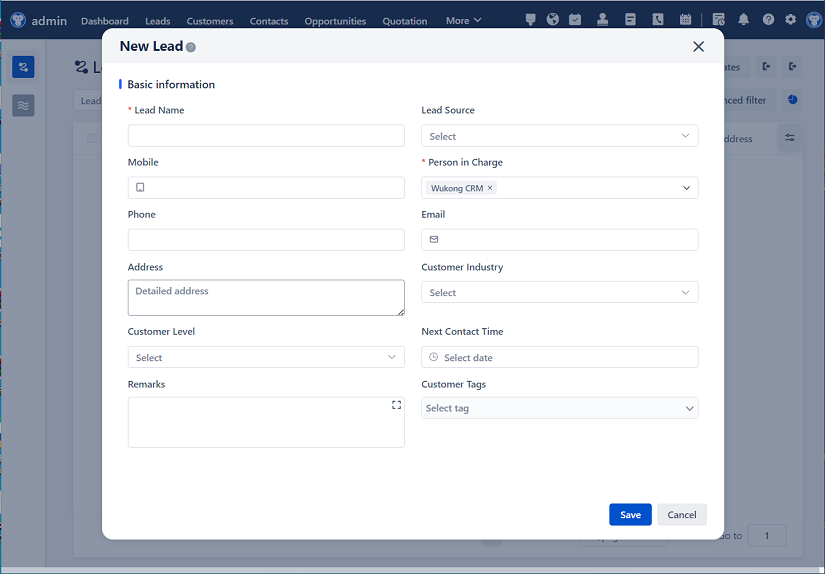
△Click on the top right corner to try Wukong CRM for free