
△Click on the top right corner to try Wukong CRM for free
Alright, so here’s the thing — we’ve been talking about setting up a CRM test environment for weeks now, and honestly, it’s one of those tasks that sounds simple at first but quickly turns into a bit of a beast if you don’t pay attention to the details. I mean, sure, you could just spin up a server, install some software, and call it a day, but that’s not really going to cut it if you want something reliable, secure, and actually useful for your team. So, let me walk you through how we actually did it — step by step — and what we learned along the way.
First off, we had to figure out what kind of CRM system we were dealing with. Was it Salesforce? HubSpot? Or something custom we built in-house? Turns out, it was a mix — we’re using Salesforce as our main platform, but we’ve got a few custom integrations and workflows that make things a little more complicated. That meant our test environment couldn’t just be a mirror of production; it needed to reflect those custom pieces too.

So, the very first thing we did was sit down with the dev team, the QA folks, and a couple of business analysts. We wanted to make sure everyone was on the same page about what the test environment should do. Like, what kind of testing are we supporting? Are we doing functional testing? Performance testing? User acceptance testing? Each of those has different requirements. For example, performance testing needs realistic data volumes, while UAT needs clean, easy-to-follow test cases.
Once we had that sorted, we started planning the actual setup. We decided to go with a sandbox environment in Salesforce — specifically, a full copy sandbox. That gave us a near-identical version of our production org, including data, configurations, and metadata. It wasn’t cheap, honestly — those full sandboxes cost a pretty penny — but we figured it was worth it because we wouldn’t have to manually recreate everything.
Now, here’s where things got tricky. Just because you have a sandbox doesn’t mean it’s ready to go. We had to go through and clean up a lot of the data. You know how production data gets messy over time? Well, that mess came right along with the copy. So we spent a few days scrubbing PII (personally identifiable information), anonymizing customer records, and removing any test data that previous teams had left behind. It was tedious, but absolutely necessary — especially with GDPR and all the privacy regulations these days.
After the data cleanup, we turned our attention to integrations. Our CRM talks to a bunch of other systems — marketing automation, ERP, customer support tools — and we needed those connections to work in the test environment too. But we couldn’t just point them at production APIs. That would be a disaster. So we set up mock services or used staging endpoints wherever possible. For example, instead of sending real emails through our marketing platform, we configured the test CRM to use a dummy SMTP server that just logs messages. That way, testers could see what would happen without actually spamming real customers.
Then came the configuration part. We had to make sure all the workflows, approval processes, and automation rules were working just like they do in production. That meant going through each one, testing it manually at first, and then documenting what we found. We even created a checklist — yeah, a physical checklist — so nothing would slip through the cracks. It sounds old-school, but it worked surprisingly well.
One thing we almost forgot? User roles and permissions. In production, people have specific access levels based on their job function. We had to replicate that in the test environment, but with test users. So we created a set of test accounts — like “Sales Rep Test,” “Manager Test,” “Admin Test” — and assigned them the right profiles and permission sets. That way, when the QA team tested something, they could do it from the right perspective.
And speaking of QA — we made sure they had everything they needed. We set up Jira integration so bugs could be logged directly from the test environment. We also gave them access to logs and debug tools so they could troubleshoot issues without bugging the dev team every five minutes. That was a game-changer for productivity.
Now, here’s something important: we didn’t just set it up and walk away. We scheduled regular refreshes. Salesforce sandboxes can get stale, especially if you’re not syncing them often. We decided on a bi-weekly refresh cycle — every two weeks, we’d wipe the sandbox and pull in a fresh copy from production. That kept the data and configuration up to date, but it also meant we had to remind everyone to back up their test data before the refresh. Lost a few test cases the first time because no one remembered. Lesson learned.
We also set up monitoring. Yeah, even test environments need monitoring. We used a lightweight monitoring tool to track system uptime, login failures, and API response times. Nothing too fancy, but it helped us catch issues early — like when a recent deployment broke an integration in the sandbox but not in production. Caught that one before it went live, thank goodness.
Another thing we did was document everything. I mean everything. How to access the environment, who the admin is, how to request a new test user, what the refresh schedule is, where to report issues — all of it went into a shared Confluence page. We even included screenshots and step-by-step guides. It sounds excessive, but new team members kept asking the same questions, so having a central knowledge base saved us a ton of time.
And let’s talk about training. We ran a quick onboarding session for anyone who’d be using the test environment. Showed them how to log in, where to find test data, how to reset their password, and what to do if something broke. It was only 30 minutes, but it made a huge difference in how smoothly things ran.
One of the biggest challenges, honestly, was managing expectations. Some people thought the test environment should be 100% identical to production — down to the millisecond response time. But that’s just not realistic. Test environments are meant to simulate production, not replace it. We had to have a few conversations to clarify that — especially with stakeholders who didn’t understand why certain features behaved differently.

We also ran into issues with data volume. Our production CRM has millions of records, but we couldn’t realistically replicate all that in the test environment — it would’ve been too slow and expensive. So we used data masking and sampling techniques to create a smaller, representative dataset. It wasn’t perfect, but it was good enough for most testing scenarios.
Security was another big focus. Just because it’s a test environment doesn’t mean it’s not a target. We made sure the sandbox was behind a firewall, required MFA for access, and limited login attempts. We also disabled any features that weren’t needed — like external API access — to reduce the attack surface.
And of course, we tested the test environment itself. Sounds meta, right? But we had to make sure that the setup actually worked. So we ran a series of smoke tests — basic checks to confirm that users could log in, that key workflows executed, that integrations responded. Only after those passed did we officially declare the environment “ready.”
Once it was live, we got feedback from the team. Some loved it, some had suggestions. One QA engineer pointed out that the test data wasn’t diverse enough — we had too many customers from one region. So we went back and added more variety. Another person asked for a way to quickly reset their test data between test runs. We ended up building a simple script that cleared their personal records — saved them hours each week.
Looking back, the whole process took about six weeks from start to finish. That included planning, setup, testing, and training. Was it worth it? Absolutely. Before this, our testing was chaotic — people using production data, breaking workflows, stepping on each other’s toes. Now, we have a clean, stable space where we can test changes safely.
We’ve already caught a few major bugs in the test environment that would’ve caused real problems in production. One was a workflow that accidentally duplicated customer records — easy to miss in a small test, but catastrophic at scale. Another was a permissions issue that would’ve exposed sensitive data. Both were fixed before going live, all thanks to having a proper test setup.

So, if you’re thinking about setting up a CRM test environment, my advice is: don’t rush it. Take the time to plan, involve the right people, clean your data, secure the system, and document everything. It’s not glamorous work, but it pays off in the long run. And hey, if you cut corners, you’ll probably end up spending twice as much time fixing issues later.
Also, keep it maintained. A test environment isn’t “set it and forget it.” It needs regular updates, monitoring, and feedback loops. Treat it like a living system, not just a temporary playground.
And finally — communicate. Make sure everyone knows it exists, how to use it, and who to contact if something goes wrong. Nothing kills adoption faster than confusion or lack of support.
Alright, that’s pretty much how we did it. It wasn’t perfect, but it worked. We’re still tweaking things, adding new features, and improving the process. But now, at least, we have a solid foundation to build on.
FAQs (Frequently Anticipated Questions):
Q: Why can’t we just test in production with a test user?
A: Because it’s risky. One wrong click could mess up real customer data, trigger real emails, or break live workflows. Plus, you can’t test system-wide changes safely in production.
Q: How often should we refresh the test environment?
A: It depends on your release cycle and data changes. We do it every two weeks, but some teams do it weekly or monthly. Just make sure to warn users ahead of time.
Q: Can we use a partial copy sandbox instead of a full one?
A: Sure, if your needs are simpler. Partial copies are cheaper and faster, but they don’t include all your data. Great for config testing, not ideal for performance or data-heavy scenarios.
Q: Who should have access to the test environment?
A: Typically, developers, QA testers, business analysts, and trainers. Avoid giving access to everyone — it gets messy fast. Use role-based permissions.
Q: What if the test environment behaves differently than production?
A: That’s a red flag. Compare configurations, check recent deployments, and verify data. Differences usually come from outdated metadata or missing integrations.

Q: Is it worth the cost of a full sandbox?
A: For us, yes. The time saved, the bugs caught, and the peace of mind made it worth the investment. But evaluate based on your team size and testing needs.
Q: How do we handle test data privacy?
A: Always anonymize or mask PII. Never use real customer names, emails, or IDs in testing. Use tools or scripts to scramble sensitive data.
Q: Can we automate the test environment setup?
A: To some extent. You can automate user provisioning, data loading, and basic checks. But full environment replication still requires manual oversight.
Q: What’s the biggest mistake people make with test environments?
A: Treating them as an afterthought. They need the same care as production — security, maintenance, documentation. Neglect them, and you’ll pay the price later.
Related links:
Free trial of CRM
Understand CRM software
AI CRM Systems
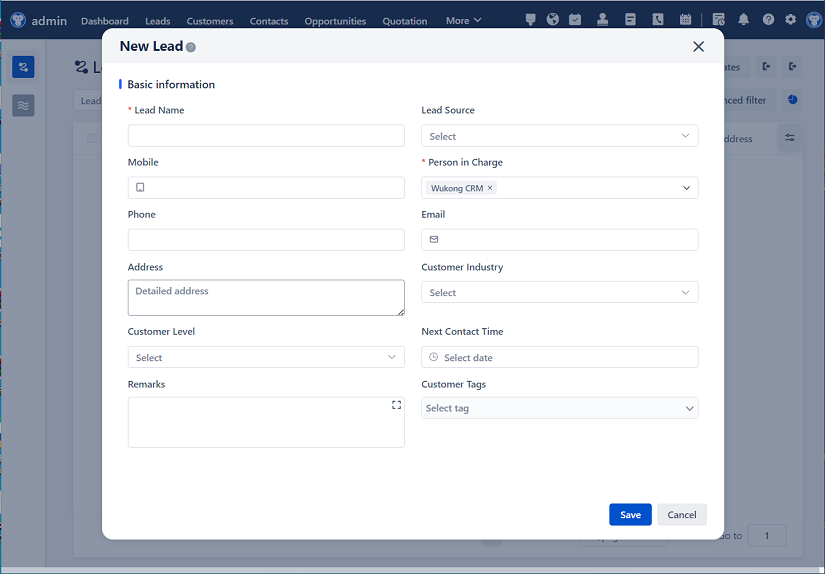
△Click on the top right corner to try Wukong CRM for free