
△Click on the top right corner to try Wukong CRM for free
So, you know how running a business can get pretty overwhelming sometimes? I mean, keeping track of customers, managing leads, remembering who said what during that last meeting — it’s a lot. Honestly, if you’re still using spreadsheets or sticky notes to handle all that, I totally get it. We’ve all been there. But let me tell you something — there’s a better way. It’s called a lightweight CRM system, and honestly, once you start using one, you’ll wonder how you ever survived without it.
Now, don’t let the word “CRM” scare you. I used to think CRM meant some giant, complicated software that only big corporations could afford and actually figure out how to use. But that’s just not true anymore. Lightweight CRMs are designed for small teams, solopreneurs, startups — basically anyone who wants to stay organized without drowning in features they’ll never use.
So what exactly makes a CRM “lightweight”? Well, first off, it’s simple. Like, really simple. You won’t find 50 different modules or endless configuration options. Instead, it focuses on doing a few things really well — like tracking customer interactions, managing your sales pipeline, and sending follow-up emails. And because it’s built to be user-friendly, you can usually get set up in under an hour. No IT team required.
One of the biggest things I love about lightweight CRMs is how fast they are. You open the app, and boom — everything’s right there. No waiting for pages to load or getting lost in menus. Everything feels intuitive. For example, when a new lead comes in — maybe from your website or a networking event — you can add them with just a few clicks. Then, you can tag them, assign them to someone, or even schedule a follow-up right then and there.
And speaking of follow-ups, that’s another area where these systems shine. How many times have you promised to email someone “next week” and then completely forgotten? Yeah, me too. But with a lightweight CRM, you can set reminders, automate emails, or even create tasks that pop up in your calendar. It’s like having a tiny assistant who gently nudges you when it’s time to reach out.
Another cool thing? Most of these tools sync with your email and calendar. So if you’re using Gmail or Outlook, your meetings and messages automatically show up in the CRM. That means no more switching between apps or manually copying info. It just flows. I remember spending hours every week just copying meeting notes into a spreadsheet — total waste of time. Now, everything stays connected, and I actually enjoy staying on top of things.
Let’s talk about contact management for a second. In a lightweight CRM, each customer or lead has their own profile. You can store their name, phone number, email, company, and any notes from past conversations. But here’s the kicker — you can also see their entire history. So if Sarah from TechFlow emailed you three months ago, had a call last week, and you promised to send her pricing details, that whole timeline is right there. No digging through old emails. Just click, read, and respond.
And guess what? A lot of these systems let you customize fields. So if you run a consulting business and need to track client budgets or project timelines, you can add those fields in seconds. Or if you’re in real estate and want to note down property preferences, go ahead. It’s flexible enough to adapt to your workflow, not the other way around.
Now, I know what you might be thinking — “Okay, but what about teamwork?” Totally valid. The good news is, most lightweight CRMs support collaboration. You can invite your team members, assign tasks, leave internal comments, and even mention someone with an @ symbol, kind of like Slack. So if you’re handing off a lead to your sales rep, you can tag them and say, “Hey, this one’s yours — they’re interested in the premium package.” Super clear, super efficient.
Also, permissions are usually easy to manage. You don’t want everyone seeing everything, right? So you can set it up so only certain people can view sensitive data or edit records. It gives you peace of mind without making things overly complicated.
Here’s something else I didn’t expect to love as much — reporting. I used to dread generating reports. It felt like pulling teeth. But with a lightweight CRM, you often get simple dashboards that show things like how many new leads came in this week, which deals are close to closing, or how long your sales cycle is. And the best part? They update automatically. No manual number crunching. You just glance at the screen and instantly know how things are going.
Oh, and integrations! This is a big one. Lightweight CRMs usually play nice with other tools you already use — like email marketing platforms (think Mailchimp), payment processors (like Stripe), or even project management apps (hello, Trello). So instead of bouncing between five different apps, you can connect them all. For example, when someone signs up through your website form, they automatically get added to your CRM and tagged as a “new lead.” Then, they’re added to your email list. All of that happens behind the scenes. Magic, right?
Pricing is another reason I’m such a fan. Unlike enterprise CRMs that cost hundreds per user per month, lightweight ones are usually affordable — sometimes even free for basic plans. You pay based on what you need. Start small, grow as you go. No huge upfront costs or long-term contracts. That’s perfect if you’re testing the waters or running a tight budget.
But let’s be real — no tool is perfect. One thing I’ve noticed is that lightweight CRMs aren’t meant for super complex sales processes. If you’ve got a 12-step approval workflow or need deep customization, you might eventually outgrow them. But for most small businesses? They’re more than enough. And honestly, simplicity is often better. Fewer distractions, faster decisions.

Another thing — mobile access. I’m always on the move, so being able to check my CRM from my phone is a game-changer. Whether I’m at a coffee shop or sitting in traffic, I can quickly pull up a client’s info, mark a task as done, or send a quick note. Most lightweight CRMs have solid mobile apps, so you’re never out of touch.
Onboarding is usually a breeze too. Since the interface is clean and straightforward, new team members can get up to speed in a day, not weeks. There’s less training, fewer frustrated coworkers, and way less “Where do I click again?” energy. That saves time and money — two things every business owner loves.

You know what else I appreciate? The focus on actual results. These tools aren’t trying to impress you with flashy features. They’re built to help you build better relationships, close more deals, and save time. And when you think about it, that’s what CRM should be about — helping you connect with people, not just collect data.

I’ll admit, I was skeptical at first. I thought, “How much can a simple CRM really do?” But after using one for a few months, I saw real changes. My response time improved. I stopped missing follow-ups. My team stayed aligned. And honestly, I felt less stressed. Knowing that everything’s tracked and organized gives you this sense of control that’s hard to describe.
Plus, customers notice. When you remember their name, reference past conversations, and follow through on promises, they feel valued. And that builds trust — which leads to loyalty, referrals, and repeat business. So in a way, a lightweight CRM isn’t just a tool — it’s a relationship builder.
Now, I’m not saying you need to rush out and buy one today. But if you’re feeling disorganized, overwhelmed, or like you’re missing opportunities, it might be worth exploring. Try a free version. Play around with it for a week. See how it fits your workflow. You might be surprised by how much smoother things become.
And hey, if you’re worried about data security — fair point. But most reputable lightweight CRMs take security seriously. They use encryption, regular backups, and comply with privacy laws like GDPR. Just make sure you pick one with a solid reputation and read the fine print.
At the end of the day, a lightweight CRM isn’t about replacing human connection. It’s about supporting it. It helps you spend less time on admin work and more time actually talking to customers, solving problems, and growing your business. And isn’t that what we all want?
So yeah, if you’ve been putting off looking into a CRM because you think it’s too complex or expensive — give a lightweight option a shot. You might just find it’s the small change that makes a big difference.
FAQs (Frequently Asked Questions):
Q: What exactly is a lightweight CRM?
A: Great question! A lightweight CRM is a simpler, easier-to-use version of a traditional customer relationship management system. It’s designed for small businesses or teams that want core CRM features — like contact management, task tracking, and sales pipelines — without all the complexity and high cost.
Q: Do I need technical skills to use one?
Not at all! Most lightweight CRMs are built for non-techies. The interfaces are intuitive, setup is quick, and you usually don’t need coding or IT support to get started.
Q: Can I try one before paying?
Absolutely. Almost all lightweight CRMs offer free trials or free plans with basic features. It’s a great way to test it out and see if it fits your needs.
Q: Will it work with my current tools?
Most likely, yes. Popular lightweight CRMs integrate with email services (Gmail, Outlook), calendars, marketing tools, and more. Check the app’s integration list to be sure.
Q: Is my data safe in a lightweight CRM?
Reputable providers take security seriously. Look for features like data encryption, two-factor authentication, and compliance with privacy regulations. Always research the provider before signing up.
Q: Can my team collaborate in the CRM?
Yes! Team access, task assignments, shared notes, and activity feeds are common features. You can keep everyone on the same page without endless email chains.
Q: What if my business grows? Will I outgrow it?
Possibly — but that’s a good problem to have! Many lightweight CRMs scale with you, offering upgraded plans with more features. And if you eventually need something more advanced, migrating your data is usually doable.

Q: How much does it cost?
Prices vary, but most start around
Q: Can I access it on my phone?
Definitely. Most have mobile apps for iOS and Android, so you can manage contacts and tasks on the go.
Q: Isn’t a spreadsheet good enough?
For a few clients, maybe. But as you grow, spreadsheets become messy, hard to share, and easy to mess up. A CRM reduces errors, saves time, and gives you insights you’d never get from a spreadsheet.
Related links:
Free trial of CRM
Understand CRM software
AI CRM Systems
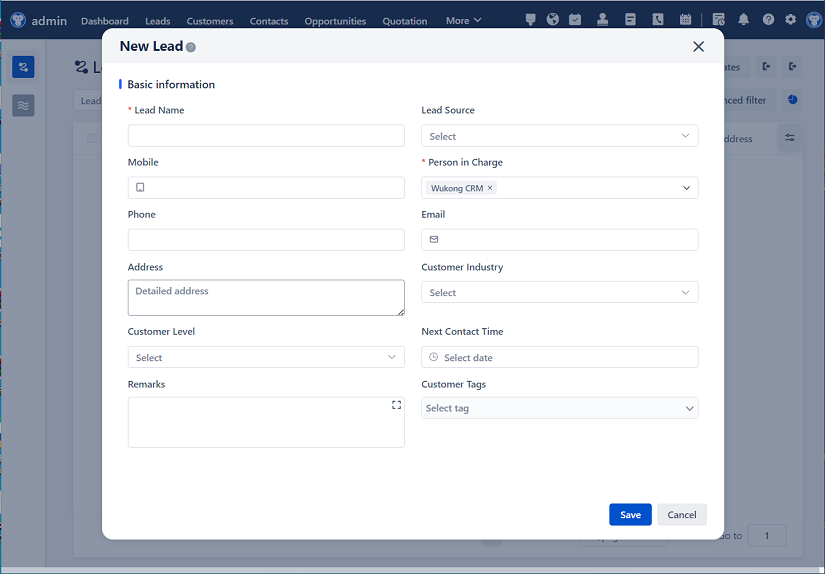
△Click on the top right corner to try Wukong CRM for free