
△Click on the top right corner to try Wukong CRM for free
So, you know how businesses these days are all about building better relationships with their customers, right? I mean, it’s not just about making a sale anymore — it’s about keeping people coming back, understanding what they need before they even say it, and making them feel like they actually matter. That’s where CRM software comes in. Honestly, if you’re running any kind of customer-facing business, you’ve probably heard of tools like Salesforce, HubSpot, Zoho CRM, or maybe Microsoft Dynamics 365. But here’s the thing — they all claim to be the best, so how do you really know which one fits your needs?
Well, let me walk you through it like we’re having a coffee chat. First off, let’s talk about Salesforce. This one’s kind of like the granddaddy of CRM platforms. It’s been around forever, and honestly, it’s pretty powerful. If you’ve got a big team, complex sales processes, and you don’t mind spending some serious cash, Salesforce might be worth it. The customization options are insane — you can tweak almost every little detail to match your workflow. But, fair warning: it’s not exactly beginner-friendly. Setting it up can take weeks, sometimes months, and you’ll probably need a dedicated admin or even a consultant to get everything working smoothly.
Now, on the flip side, have you checked out HubSpot? I love this one for small to mid-sized businesses. It’s super intuitive — like, you can start using it within a day without needing a manual. The free version is actually pretty solid too. You get basic contact management, email tracking, and some automation features. And when you upgrade, the marketing, sales, and service hubs all play nicely together. One thing I really appreciate is how clean the interface is. No clutter, no confusing menus — just straightforward tools that help you do your job. Plus, their customer support? Super responsive. I once had a question at midnight (don’t ask why I was working that late), and someone got back to me in under ten minutes.
Then there’s Zoho CRM. Now, this one’s interesting because it’s like the budget-friendly cousin who still brings great gifts to the family reunion. It’s packed with features — lead scoring, workflow automation, AI-powered insights — but it doesn’t cost an arm and a leg. I’ve used it with a few startups, and honestly, it scales really well. The mobile app is solid, and the integration with other Zoho products (like Books or Mail) is seamless if you’re already in their ecosystem. That said, the UI feels a bit outdated compared to HubSpot or Salesforce. It works, sure, but it’s not exactly sleek.
Microsoft Dynamics 365 is another player, especially if your company is already deep into the Microsoft world. If you live in Outlook, Excel, and Teams, this CRM will feel like a natural extension. It integrates beautifully with those tools, so your emails, calendar, and tasks all sync up automatically. That’s a huge time-saver. But — and this is a big but — it can get complicated fast. The licensing model is kind of confusing, and unless you have IT support, setting up advanced workflows might leave you scratching your head.
Let’s not forget about Pipedrive. This one’s built specifically for sales teams who want to focus on the pipeline. The visual layout is all about moving deals from one stage to the next, kind of like a Kanban board. It’s simple, it’s effective, and it keeps your team focused on closing. I’ve seen sales reps go from overwhelmed to totally organized in a week just by switching to Pipedrive. But — and this is important — it’s not as strong on marketing or customer service features. So if you’re looking for an all-in-one solution, this might not be your best bet.
Now, when you’re comparing these tools, what should you actually pay attention to? Well, first, think about your team size. Are you a solo entrepreneur, a growing startup, or a large enterprise? Because honestly, Salesforce would be overkill for a two-person team, just like Pipedrive might fall short for a multinational company. Then consider your budget. Some CRMs charge per user per month, others have tiered pricing with hidden costs for add-ons. Make sure you read the fine print — I’ve seen companies get hit with surprise fees after adding just one extra feature.
Integration is another biggie. Does the CRM play well with your existing tools? Like, if you use Gmail, Slack, Zoom, or Shopify, can the CRM connect to them without a ton of hassle? Most of them offer integrations, but the quality varies. HubSpot and Salesforce have massive app marketplaces, so you’re likely to find what you need. Zoho does okay, but sometimes the third-party apps aren’t as polished. And with Dynamics, as long as you’re using Microsoft stuff, you’re golden.
Automation is something else to look at closely. Let’s be real — nobody wants to manually log calls, send follow-up emails, or update deal stages all day. A good CRM should automate the boring stuff. HubSpot’s workflows are super easy to set up — drag, drop, done. Salesforce has Process Builder and Flow, which are powerful but take time to learn. Zoho’s automation is solid, though a bit clunky. Pipedrive keeps it simple, which is great if you don’t want complexity, but limits what you can do.
Reporting and analytics? Yeah, that matters too. You can’t improve what you can’t measure. Salesforce gives you deep insights with customizable dashboards — you can slice and dice data in a million ways. HubSpot’s reports are easier to understand, especially if you’re not a data nerd. Zoho has decent reporting, but exporting data to Excel for deeper analysis is often necessary. Pipedrive’s reports are basic but functional for sales tracking.
Customer support is another factor people overlook until they’re stuck. I can’t tell you how many times I’ve heard, “I paid for this tool, but no one answers my tickets!” HubSpot wins here — their knowledge base is huge, and live chat is available even on lower-tier plans. Salesforce has Trailhead, which is basically a free online academy — super helpful, but you still might need to pay for premium support. Zoho’s support is… okay. Sometimes slow, sometimes helpful. Pipedrive is improving, but not quite at HubSpot’s level.
Mobile experience? Oh, absolutely important. Salespeople are on the go, customer service reps work remotely — you need a CRM that works on phones and tablets. All the major ones have mobile apps, but the quality differs. HubSpot’s app is smooth and full-featured. Salesforce’s is powerful but can be slow. Zoho’s is functional but not the prettiest. Pipedrive’s mobile app is surprisingly good — clean, fast, and reliable.

And let’s talk about AI. Yeah, even CRMs are getting smart now. Salesforce Einstein can predict which leads are most likely to convert. HubSpot uses AI to suggest email subject lines and optimal send times. Zia, Zoho’s AI assistant, helps prioritize tasks and spots trends. These features sound fancy, but are they worth it? For larger teams with lots of data, yes. For smaller teams, maybe not a game-changer — but still nice to have.
Security is non-negotiable. You’re storing customer data — names, emails, purchase history — so the CRM better protect it. All the top platforms use encryption, multi-factor authentication, and regular audits. Salesforce and Microsoft are especially strong here, given their enterprise focus. HubSpot and Zoho are trustworthy too, but make sure you configure privacy settings properly.
So, which one should you pick? Honestly, it depends. There’s no one-size-fits-all answer. If you want power and scalability and don’t mind complexity, go with Salesforce. If you value ease of use and a great user experience, HubSpot is hard to beat. Need something affordable with solid features? Zoho’s a smart choice. Already using Microsoft 365? Dynamics makes sense. Just want to manage your sales pipeline simply? Pipedrive’s your friend.
But here’s my advice — don’t just go by reviews or flashy websites. Try them out. Most offer free trials or freemium versions. Test them with your actual workflows. See how your team responds. Ask yourself: Is it saving time? Reducing errors? Helping us close more deals? That’s what really matters.
Also, think long-term. Will this CRM grow with your business? Can you add new features later? Or will you end up migrating data to a new system in a year? That’s a nightmare no one wants.
And finally, remember — a CRM is only as good as the data you put in. Garbage in, garbage out, right? So train your team, set clear processes, and keep things updated. Otherwise, even the fanciest CRM won’t help.
Alright, I’ve probably rambled enough. But hey, if you’re still deciding, here are a few questions you might be asking yourself — and some honest answers.
Q: Which CRM is best for small businesses?
A: HubSpot and Zoho CRM are usually the top picks. They’re affordable, easy to use, and pack enough features to handle growth.
Q: Is Salesforce worth the high price?
A: Only if you need its advanced capabilities and have the resources to manage it. For many small teams, it’s overkill.
Q: Can I switch CRMs later?
A: Yes, but it’s messy. Data migration takes time and effort, so choose carefully upfront.

Q: Do I need training to use these tools?
A: Definitely. Even user-friendly ones like HubSpot benefit from proper onboarding. Most vendors offer tutorials and support.
Q: Are free CRM versions useful?
A: Absolutely — especially HubSpot’s free plan. It’s a great way to test the waters before committing.

Q: Which CRM has the best customer support?
A: HubSpot consistently gets high marks. Salesforce is good too, but often requires paid support for timely help.
Q: Can CRMs help with marketing automation?
A: Yes — HubSpot and Salesforce lead here. Zoho and Dynamics also offer solid tools, while Pipedrive is more sales-focused.
Look, choosing a CRM isn’t about picking the “best” one overall — it’s about finding the one that’s best for you. So take your time, involve your team, and don’t rush it. Your future self will thank you.
Related links:
Free trial of CRM
Understand CRM software
AI CRM Systems
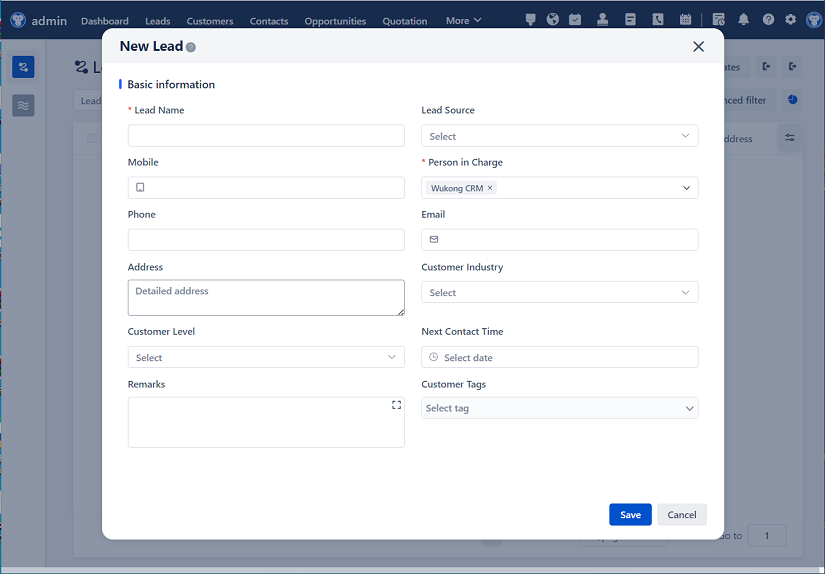
△Click on the top right corner to try Wukong CRM for free