
△Click on the top right corner to try Wukong CRM for free
Hey there! So, you're interested in how CRM, or Customer Relationship Management, works its magic in the fast-moving consumer goods (FMCG) industry, right? Well, let's dive into some real-life examples and see what makes these systems so special. I mean, who doesn't love a good story, especially when it shows us how businesses can really connect with their customers?

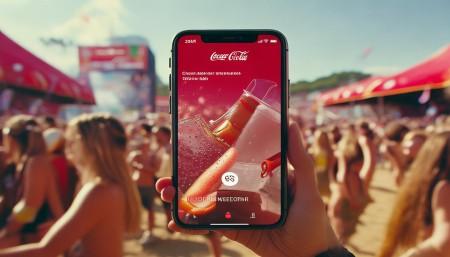
First off, let’s talk about Coca-Cola. You know, that iconic brand that’s been around for over a century. They’ve been using CRM to not just sell more drinks but also to build stronger relationships with their consumers. Imagine this: It’s a hot summer day, and you’re at a music festival. Suddenly, your phone buzzes, and it’s a notification from Coca-Cola offering you a discount on a cold drink nearby. That’s the power of CRM. By collecting data on where people are, what they like, and even the weather, Coca-Cola can send personalized offers that feel like they were made just for you. And guess what? It works! People love feeling special, and these little touches make all the difference.
Now, let’s switch gears and look at Unilever. This company is huge, with brands like Dove, Lipton, and Ben & Jerry’s under its belt. Unilever has been using CRM to understand its customers better and to create products that meet their needs. For example, they launched a campaign called “Real Beauty” for Dove, which was all about celebrating natural beauty. But here’s the cool part: they didn’t just throw ads out there and hope for the best. Instead, they used CRM to track how people were responding to the campaign, what they were saying on social media, and even what kind of feedback they were getting from surveys. This helped them tweak the campaign in real-time, making it more effective and resonant with their audience. It’s like having a conversation with your customers, only on a much larger scale.
Another great example is Procter & Gamble (P&G). They have a massive portfolio of household names, from Pampers to Tide. P&G uses CRM to manage customer interactions across multiple channels, whether it’s through their website, social media, or even in-store experiences. One of the things they do really well is using CRM to segment their customers. Let me explain: if you’re a new parent, you might get different offers and information than someone who’s more interested in cleaning products. This segmentation allows P&G to tailor their marketing efforts, making sure that each customer gets the most relevant and useful information. It’s like having a personal shopper, but for everyday products.
But it’s not just about big, global companies. Even smaller FMCG brands are jumping on the CRM bandwagon. Take, for instance, a local organic food company. They use CRM to keep track of their loyal customers, sending them personalized emails with recipes, tips, and special offers. This not only keeps their customers engaged but also helps them feel like they’re part of a community. It’s a win-win situation because the customers get value, and the company builds a strong, loyal following.
So, why is CRM so important in the FMCG industry? Well, think about it: in a world where everyone is bombarded with ads and choices, standing out and connecting with your customers is more crucial than ever. CRM helps companies do just that by providing a way to collect, analyze, and act on customer data. It’s like having a superpower that lets you know exactly what your customers want, even before they do!

One of the key benefits of CRM in the FMCG industry is the ability to personalize the customer experience. You know how it feels when you walk into a store, and the salesperson remembers your name and what you usually buy? It makes you feel valued, right? CRM does the same thing, but on a much larger scale. By tracking customer preferences and behaviors, companies can offer personalized recommendations, discounts, and even new product suggestions. This not only improves the customer experience but also increases the likelihood of repeat purchases and long-term loyalty.

Another benefit is the ability to streamline operations. In the FMCG industry, efficiency is key. With CRM, companies can automate many of their processes, from order management to customer service. This means fewer errors, faster response times, and, ultimately, happier customers. For example, if a customer has an issue with a product, CRM can help the customer service team quickly access the customer’s history and resolve the problem more efficiently. It’s like having a personal assistant who knows everything about your business and your customers.
CRM also plays a crucial role in market research and product development. By analyzing customer data, companies can identify trends, preferences, and pain points. This information is invaluable for developing new products and improving existing ones. For instance, if a company notices that a particular flavor of a snack is consistently selling out, they can use that data to inform future product lines. Or, if they see a lot of customer feedback about a specific feature, they can work on enhancing it. It’s like having a direct line to your customers’ thoughts and desires.
But, of course, implementing CRM isn’t without its challenges. One of the biggest hurdles is data privacy. With so much personal information being collected, companies need to be extremely careful about how they handle and protect that data. GDPR and other data protection regulations have made this even more critical. Companies need to be transparent about what data they’re collecting, why they’re collecting it, and how they plan to use it. Building trust with customers is essential, and any breach of that trust can be devastating.
Another challenge is the sheer volume of data. With so much information coming in from various sources, it can be overwhelming to manage and make sense of it all. This is where advanced analytics and AI come in. These technologies can help companies sift through the data, identify patterns, and make informed decisions. But, again, it’s not just about having the technology; it’s about having the right people and processes in place to use it effectively.
So, what does the future hold for CRM in the FMCG industry? Well, as technology continues to evolve, we can expect to see even more sophisticated and integrated CRM solutions. For example, the integration of CRM with IoT (Internet of Things) devices could provide real-time insights into customer behavior and preferences. Imagine a smart fridge that can automatically reorder your favorite snacks when you’re running low. Or a smartwatch that can suggest a new flavor based on your activity level. The possibilities are endless, and the potential for deeper, more meaningful customer relationships is enormous.
In conclusion, CRM is a game-changer for the FMCG industry. It helps companies connect with their customers in a more personal and meaningful way, streamline their operations, and drive innovation. While there are challenges, the benefits far outweigh them. As the industry continues to evolve, CRM will play an increasingly important role in helping companies stay competitive and build lasting relationships with their customers.
Alright, now that we’ve covered a lot of ground, let’s wrap things up with a few questions and answers. Feel free to ask more if you have any!
Q: How does CRM help FMCG companies stand out in a crowded market? A: CRM helps FMCG companies stand out by allowing them to personalize the customer experience, offer tailored recommendations, and build stronger, more meaningful relationships with their customers. It’s like having a secret weapon that lets you know exactly what your customers want, even before they do!
Q: What are some of the key benefits of using CRM in the FMCG industry? A: Some key benefits include personalizing the customer experience, streamlining operations, and gaining valuable insights for product development. CRM also helps in building long-term customer loyalty and driving repeat purchases.
Q: What are the main challenges of implementing CRM in the FMCG industry? A: The main challenges include ensuring data privacy and security, managing the large volume of data, and integrating CRM with existing systems. It’s also important to have the right people and processes in place to make the most of the technology.
Q: How can CRM help with market research and product development? A: CRM provides valuable insights into customer preferences, trends, and pain points. By analyzing this data, companies can identify opportunities for new products and improve existing ones, making sure they always meet the needs of their customers.
Q: What does the future of CRM in the FMCG industry look like? A: The future looks exciting! We can expect more advanced and integrated CRM solutions, including the integration of CRM with IoT devices. This will provide real-time insights and even more personalized experiences, further deepening the connection between companies and their customers.
I hope this gives you a good overview of how CRM is transforming the FMCG industry. If you have any more questions, feel free to ask!

Related links:
Free trial of CRM
Understand CRM system
AI CRM Systems
△Click on the top right corner to try Wukong CRM for free