
△Click on the top right corner to try Wukong CRM for free
Hey there! So, you're on the lookout for a free personal CRM, huh? That's great because, honestly, keeping track of all your contacts and interactions can be a real headache without one. I mean, who has the time to remember every little detail about everyone they meet, right? But don't worry, I've got your back. Let me walk you through some of the best free personal CRMs out there that can make your life so much easier.
First up, let’s talk about HubSpot. Now, HubSpot is like the big brother in the CRM world. It’s super popular, and for good reason. The free version is pretty generous, offering you a lot more than just basic contact management. You can actually use it to send emails, set up meetings, and even get some analytics on how your contacts are interacting with your stuff. It’s kind of like having a personal assistant, but without the salary!
But, hey, maybe you’re not into the whole “big company” vibe. Maybe you want something a bit more... indie. In that case, check out Streak. Streak is this cool little tool that integrates directly into your Gmail. It’s perfect if you’re already using Google for everything else. With Streak, you can manage your contacts, track email opens, and even set up pipelines for different projects. It’s like turning your inbox into a mini-CRM, which is pretty neat if you ask me.
Now, if you’re looking for something that’s really, really simple, you might want to give Zoho CRM a shot. Zoho is known for being user-friendly, and their free plan is no exception. You get all the basics—contact management, task tracking, and even some sales automation. Plus, it’s got a clean, easy-to-navigate interface, which is a huge plus if you’re not exactly a tech whiz. Trust me, it’s like having a friendly, helpful robot at your fingertips.
Alright, so what if you’re a freelancer or a small business owner who needs a bit more flexibility? Enter Bitrix24. This one is a bit of a Swiss Army knife. It’s not just a CRM; it’s also a project management tool, a collaboration platform, and even a social network for your team. The free version is surprisingly robust, giving you access to a ton of features that would normally cost you an arm and a leg. It’s like having a full office suite, but without the hefty price tag.

And, of course, we can’t forget about Agile CRM. Agile is another one of those all-in-one solutions that’s great for small businesses. The free plan includes things like contact management, email marketing, and even some basic automation. It’s a bit more advanced than some of the other options, but still very user-friendly. Think of it as a step up from the basics, but not so complex that you’ll need a degree in computer science to figure it out.
So, now that you’ve got a few options to choose from, let’s talk about how to pick the right one for you. First off, think about what you really need. Are you just looking to keep track of your contacts, or do you need something that can handle more, like email marketing or project management? If you’re just starting out, you might want to go with something simple like Zoho or HubSpot. But if you’ve got a bit more on your plate, Bitrix24 or Agile might be the way to go.
Another thing to consider is how comfortable you are with technology. Some of these tools, like Streak, are designed to be super intuitive and easy to use. Others, like Agile, have a bit more of a learning curve. If you’re not exactly a tech wizard, you might want to stick with something that’s a bit more straightforward.

And, of course, there’s the question of integration. If you’re already using a bunch of other tools, you’ll want to make sure your new CRM plays nicely with them. For example, if you’re a Gmail user, Streak is going to be a natural fit. But if you’re using a different email provider, you might want to look at something else.
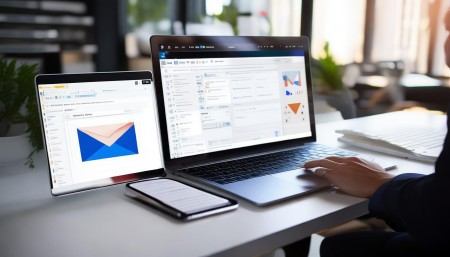
Alright, so you’ve picked your CRM, and you’re ready to get started. But where do you begin? Well, first things first, take some time to set up your account. Most of these tools will have a setup wizard that walks you through the process, so don’t worry too much. Just follow the steps, and you’ll be up and running in no time.
Next, start importing your contacts. Most CRMs will let you import from a CSV file, or even directly from your email. Once you’ve got your contacts in, you can start organizing them. Create groups, add notes, and set up reminders. The key here is to make sure everything is organized in a way that makes sense to you. After all, the whole point of a CRM is to make your life easier, not harder.
Once you’ve got your contacts sorted, it’s time to start using the other features. If your CRM has email tracking, set it up. If it has a calendar, sync it with your existing one. And if it has any automation features, take advantage of them. Automation can save you a ton of time, and it’s one of the biggest benefits of using a CRM.

Finally, don’t be afraid to experiment. Try out different features, see what works for you, and what doesn’t. And if you ever get stuck, most of these tools have great support resources. There are usually tutorials, FAQs, and even community forums where you can get help. Remember, the goal is to make your life easier, so don’t stress too much about getting everything perfect right away.
So, there you have it—a quick rundown of some of the best free personal CRMs out there. Whether you’re a freelancer, a small business owner, or just someone who needs to keep track of a lot of contacts, there’s a CRM out there that’s perfect for you. Just take your time, do a bit of research, and you’ll find the right tool in no time.
Q: What if I’m not sure which CRM to choose? A: No worries! Start by thinking about what you really need. Do you just need basic contact management, or do you need more advanced features like email marketing or project management? Also, consider how comfortable you are with technology. If you’re not a tech expert, you might want to go with something simpler like Zoho or HubSpot. And don’t forget to check if the CRM integrates well with the tools you’re already using.
Q: Can I use a CRM for personal use, or is it only for businesses? A: Absolutely, you can use a CRM for personal use! A CRM is just a tool to help you manage your contacts and interactions, and it can be incredibly useful for keeping track of friends, family, and even personal projects. Many people use CRMs to stay organized and on top of their personal networks.
Q: How do I import my contacts into a CRM? A: Most CRMs make it pretty easy to import your contacts. You can usually import from a CSV file, or even directly from your email. Just follow the instructions in the CRM’s setup wizard, and you should be able to get your contacts in there in no time. If you run into any issues, most CRMs have great support resources to help you out.
Q: Is it hard to learn how to use a CRM? A: Not at all! Many CRMs are designed to be user-friendly and intuitive. If you’re not a tech expert, you might want to start with something simple like Zoho or HubSpot. They both have clean, easy-to-navigate interfaces. And if you ever get stuck, there are usually plenty of tutorials, FAQs, and community forums to help you out. Just take your time, and you’ll get the hang of it in no time.
Q: Can I use a CRM for free forever, or will I eventually have to pay? A: Many CRMs offer a free plan that you can use indefinitely, but the features might be limited compared to the paid plans. If you find that you need more advanced features, you might eventually want to upgrade to a paid plan. But for many users, the free plan is more than enough. Just make sure to check the terms and conditions of the free plan to see if there are any limitations or time restrictions.
Related links:
Free trial of CRM
Understand CRM system
AI CRM Systems
△Click on the top right corner to try Wukong CRM for free