
△Click on the top right corner to try Wukong CRM for free
Hey there! So, you've probably heard of CRM, right? It stands for Customer Relationship Management. But have you ever come across sCRM? That’s short for Social Customer Relationship Management. Both are pretty important in the business world, but they do have their differences. Let's dive into it and see what makes each one unique.
First off, let's talk about CRM. You know, it's like having a super organized address book, but for your customers. It helps businesses keep track of all the interactions they have with their clients. Think of it as a digital Rolodex, but way more advanced. With CRM, you can store customer information, track sales, manage marketing campaigns, and even handle customer service. It's like having a personal assistant who remembers everything about your customers and helps you stay on top of things.
Now, sCRM, or Social CRM, is kind of like CRM's cooler, more social cousin. It does everything that CRM does, but with a twist. sCRM takes into account the social media aspect of customer interactions. You know, those platforms where people share their thoughts, experiences, and sometimes even complaints. sCRM helps businesses engage with their customers on these social platforms, making it easier to build relationships and respond to feedback in real-time. It's like being at a party where everyone is talking about your brand, and you get to join in the conversation and make sure everyone is having a good time.
One of the key differences between CRM and sCRM is the way they handle data. CRM systems are great at collecting and organizing data from traditional sources like emails, phone calls, and in-person meetings. It's like keeping a detailed journal of all your customer interactions. On the other hand, sCRM goes a step further by also gathering data from social media. This means it can pick up on trends, sentiments, and even potential issues before they become big problems. It's like having a pair of ears that can listen to what people are saying about your brand on the internet.

Another big difference is the level of engagement. With CRM, the focus is more on managing and tracking customer interactions. It's like having a system that tells you when to call a customer, what to say, and how to follow up. But with sCRM, the emphasis is on building and maintaining relationships through social media. It's not just about tracking; it's about actively participating in the conversation. Imagine if you could jump into a chat with your customers and help them out right then and there. That's what sCRM is all about.
Let's talk about the tools and features. CRM systems typically come with a bunch of tools to help you manage your customer relationships. You've got things like contact management, sales forecasting, and marketing automation. It's like having a Swiss Army knife for your business. sCRM, on the other hand, adds social media monitoring and engagement tools to the mix. You can track mentions, analyze sentiment, and even schedule posts. It's like having a Swiss Army knife, but with a few extra gadgets specifically designed for social media.

When it comes to the user experience, CRM systems are usually more structured and formal. They're designed to be efficient and organized, which is great for keeping everything in order. But sCRM systems tend to be more dynamic and interactive. They're built to be flexible and responsive, so you can adapt to the fast-paced nature of social media. It's like the difference between a well-organized office and a lively, bustling coffee shop where everyone is chatting and sharing ideas.
Now, let's talk about the benefits. CRM systems are fantastic for improving efficiency and streamlining processes. They help you stay organized, and they can even automate some of the more tedious tasks. It's like having a system that does all the heavy lifting for you, so you can focus on what really matters—your customers. sCRM, on the other hand, is great for building stronger, more personal relationships with your customers. By engaging with them on social media, you can create a more human connection and show that you care about their opinions and experiences. It's like being a friend to your customers, not just a business.
But, of course, there are some challenges too. Implementing a CRM system can be a bit of a hassle. You need to train your team, set up the system, and make sure everything is working smoothly. It's like moving into a new house and having to unpack and organize everything. With sCRM, the challenge is more about keeping up with the fast pace of social media. You need to be quick, responsive, and always on your toes. It's like trying to keep up with a group of friends who are always texting and posting updates. You don't want to miss out on anything!
So, which one should you choose? Well, it depends on your business needs. If you're looking for a robust system to manage your customer relationships and streamline your processes, CRM might be the way to go. It's like having a solid foundation for your business. But if you want to take your customer engagement to the next level and build stronger, more personal connections, sCRM could be the better choice. It's like adding a personal touch to your business.
In the end, both CRM and sCRM have their strengths and weaknesses. CRM is great for organization and efficiency, while sCRM excels at engagement and relationship-building. The best approach might be to use a combination of both. That way, you get the best of both worlds. It's like having a well-organized office and a lively, engaging coffee shop all in one.
Alright, I hope that helped clear things up! Now, let me throw in a few questions to wrap this up:

-
What is the main difference between CRM and sCRM?
- The main difference is that sCRM includes social media engagement, while CRM focuses more on traditional customer interaction channels.

-
How does sCRM help with customer engagement?
- sCRM helps by allowing businesses to interact with customers on social media, responding to feedback and building relationships in real-time.

-
Can a business use both CRM and sCRM together?
- Absolutely! Using both can give you the best of both worlds—efficient management and strong, personal customer relationships.
-
What are some challenges of implementing sCRM?
- One of the main challenges is keeping up with the fast pace of social media and being responsive to customer interactions.
-
Is sCRM suitable for all types of businesses?
- While sCRM can be beneficial for many businesses, it's particularly useful for those with a strong social media presence and a need for real-time customer engagement.
Hope that helps! If you have any more questions, feel free to ask.

Related links:
Free trial of CRM
Understand CRM system
AI CRM Systems
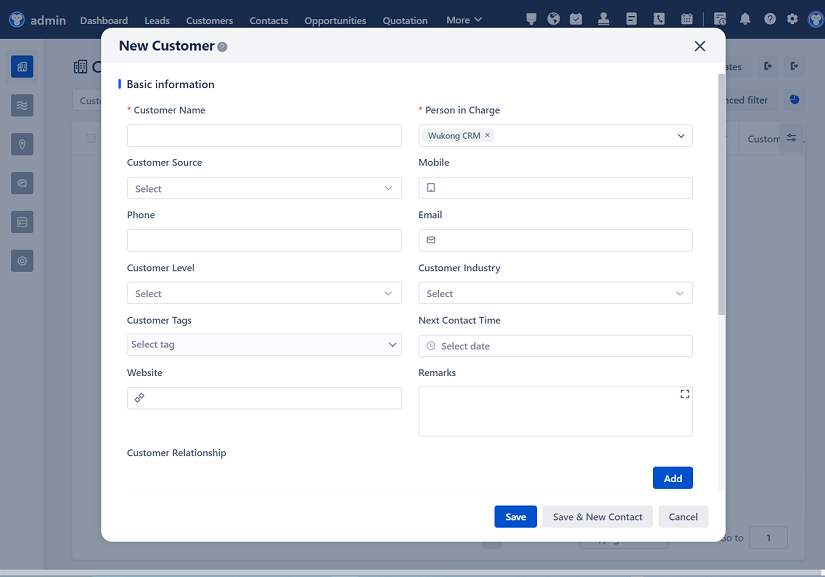
△Click on the top right corner to try Wukong CRM for free