
△Click on the top right corner to try Wukong CRM for free
Hey there! So, you've probably heard the term "CRM" thrown around a lot, right? It stands for Customer Relationship Management, and it's kind of a big deal in the business world. But what exactly is CRM architecture, and why should you care? Let me break it down for you in a way that’s easy to understand.
First off, think of CRM as a giant toolbox that helps businesses keep track of all their customer interactions. You know, like when you call a company with a question, or when you buy something from their website. All those little moments get recorded and organized so that the company can better understand and serve you. Pretty neat, huh?

Now, let'talk about CRM architecture. Imagine you're building a house. You need a solid foundation, strong walls, and a good roof, right? Well, CRM architecture is kind of like that. It's the blueprint that outlines how all the different parts of the CRM system work together. This includes things like the database where all the customer information is stored, the user interface that people use to interact with the system, and the processes that make sure everything runs smoothly.

So, why is this important? Well, imagine if your house was built without a plan. The walls might not line up, the roof could leak, and the whole thing might fall apart. Similarly, if a CRM system isn't well-architected, it can lead to all sorts of problems. Data might get lost, customers might have a bad experience, and the business could lose out on valuable insights.
Let's dive a bit deeper into the components of CRM architecture. First up, we have the data layer. This is where all the juicy details about your customers are stored. Think of it as a giant filing cabinet, but instead of paper, it's full of digital records. Every time a customer interacts with the company, whether it's through a phone call, an email, or a purchase, that information gets added to the data layer. Over time, this builds up into a rich, detailed picture of each customer, which is super valuable for making informed decisions.
Next, we have the application layer. This is the part of the CRM that actually does the heavy lifting. It's where all the tools and features live, like the ability to send emails, create reports, or manage sales leads. The application layer is what makes the CRM system useful and functional. It's like the kitchen in your house—where all the cooking happens. Without a well-designed application layer, the CRM would be just a bunch of data sitting around, not doing much of anything.
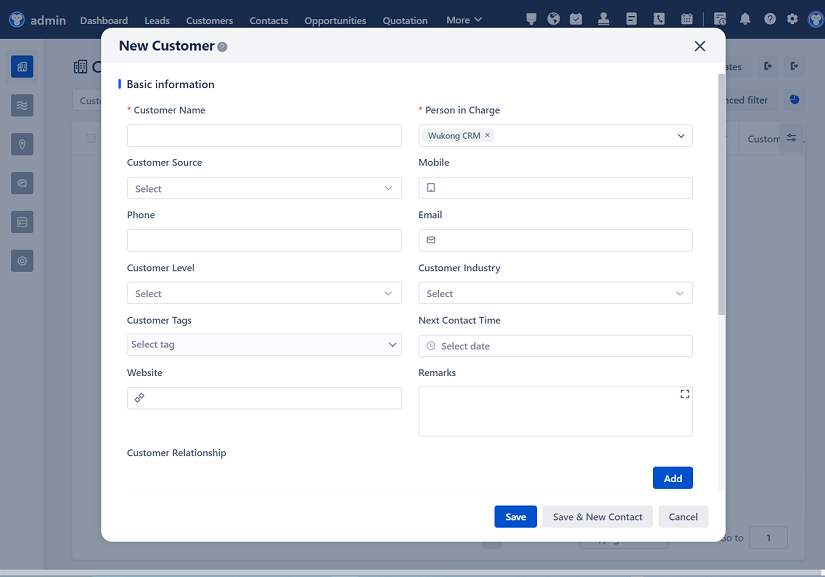
Then there's the presentation layer. This is the part of the CRM that you, the user, actually see and interact with. It's the pretty face of the system, if you will. The presentation layer is designed to be user-friendly and intuitive, so that anyone from a sales rep to a customer service agent can use it without too much trouble. It's like the living room of your house—where you spend most of your time and where everything looks nice and welcoming.
Finally, we have the integration layer. This is the part that connects the CRM to other systems and tools that the business uses. For example, it might connect to the company's accounting software, or to a marketing automation tool. The integration layer is like the plumbing and electrical wiring in your house—it's not something you see every day, but it's crucial for everything to work properly.
Now, let's talk about why having a well-structured CRM architecture is so important. First and foremost, it ensures that all the data is accurate and up-to-date. You wouldn't want to make a decision based on outdated or incorrect information, would you? A good CRM architecture makes sure that doesn't happen.
Secondly, it improves the overall efficiency of the business. When all the different parts of the CRM are working together seamlessly, it means that employees can do their jobs more effectively. They don't have to waste time hunting down information or dealing with clunky, hard-to-use systems. Instead, they can focus on what really matters: serving the customers.
Thirdly, a well-architected CRM system provides valuable insights. By analyzing the data, businesses can spot trends, identify opportunities, and make better decisions. For example, they might notice that a certain type of customer is more likely to buy a particular product, or that a specific marketing campaign is driving a lot of sales. These insights can be game-changers for a business.
Lastly, a good CRM architecture enhances the customer experience. When a company has a clear, organized view of its customers, it can provide more personalized and responsive service. Customers feel valued and understood, which leads to higher satisfaction and loyalty. And, as we all know, happy customers are the key to a successful business.
But, hey, I know what you might be thinking: "This all sounds great, but what if my business is small? Do I really need a fancy CRM architecture?" The answer is, it depends. Even small businesses can benefit from a well-structured CRM, especially if they're looking to grow. A simple, well-organized system can help you keep track of your customers, improve your service, and make better decisions. Plus, as your business grows, you'll already have a solid foundation in place, which will save you a lot of headaches down the road.
Alright, I hope that gives you a good idea of what CRM architecture is and why it's so important. If you have any questions, feel free to ask. Here are a few that might come to mind:
Q: What if my business is just starting out? Do I need a CRM right away? A: While it's not absolutely necessary, having a basic CRM system from the start can be very helpful. It will help you keep track of your customers and build a strong foundation for growth. Even a simple, cloud-based CRM can be a great start.

Q: How do I choose the right CRM for my business? A: Start by identifying your specific needs. What do you want to achieve with the CRM? Then, look at different options and read reviews. Many CRM providers offer free trials, so you can test them out before committing. Also, consider factors like ease of use, integration capabilities, and support.
Q: Can I customize a CRM to fit my business needs? A: Absolutely! Most modern CRMs are highly customizable. You can add or remove features, create custom fields, and even integrate with other tools. Some CRMs also offer professional services to help you tailor the system to your specific requirements.
Q: How often should I update my CRM architecture? A: It's a good idea to review and update your CRM architecture periodically, especially as your business grows and changes. At least once a year, take a look at how your CRM is performing and make any necessary adjustments. This will ensure that it continues to meet your needs and stays up-to-date with the latest technology.
Q: Is it difficult to migrate from one CRM to another? A: Migrating from one CRM to another can be a bit of a challenge, but it's definitely doable. The key is to plan carefully and make sure you have a clear migration strategy. Many CRM providers offer tools and services to help with the transition, and it's always a good idea to back up your data before making any major changes.
I hope these answers help! If you have any more questions, just let me know. Happy CRM-ing!
Related links:
Free trial of CRM
Understand CRM system
AI CRM Systems
△Click on the top right corner to try Wukong CRM for free